Between conflicting agent websites, outdated fee lists, and universities that don't reply to emails, figuring out how to actually study in Georgia is harder than it needs to be. We try to fix that.
Most students come to us after finding a dozen different numbers for the same program's tuition. That's the gap we sit in: we work with the universities directly, so what we tell you is what's actually true this intake, not what was true two years ago on some forum post.
We're not trying to be the biggest agency in Tbilisi. We'd rather take on fewer students and actually know their file: what stage they're at, what's missing, and what to chase next.
Not just getting you accepted. Making sure the years that follow actually add up to something.
That's the value we're actually here to deliver.
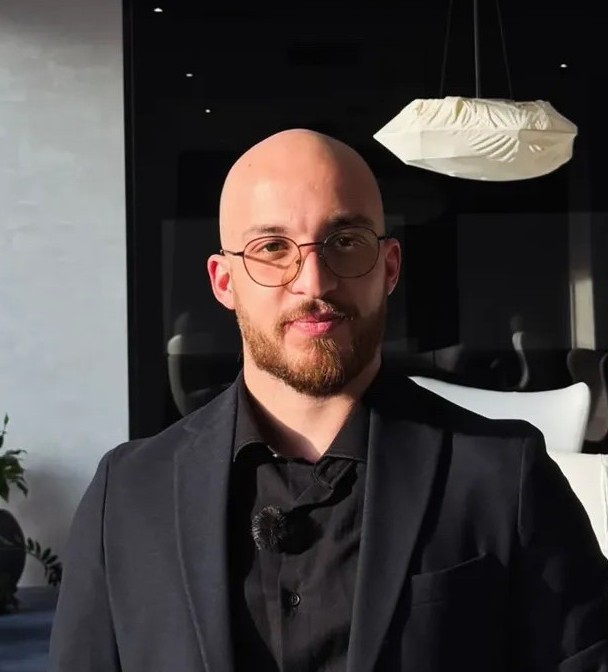
Founder & Director, ApolloEd
“I didn't start from an easy place. Leaving Lebanon and building something of my own in a country I'd never lived in before was its own kind of hard, but I always believed that if I put in the work, I could make something of myself. Georgia is where I decided to prove that to myself.
What I found here, in my first years as a business student, was harder to watch than my own situation: I saw students getting mistreated and misled by agents who cared more about their commission than the person they were supposed to be helping. That's what actually pushed me to start ApolloEd. I wanted students to have someone in their corner who meant it.
I started small, working directly with universities and students myself. What grew from that was word of mouth: partners and students who saw the difference and pushed me to take it further. Today ApolloEd is one of the more established consultancies helping students get into Georgian universities, and the reason I started it hasn't changed.”
Student Ambassador
A graduate of a dental program himself, Ghazi's already been through exactly what our students are going through now, and he's always ready to share what he actually learned along the way, not just what's written in a brochure.
Operations Lead
Karim handles the on-the-ground side, coordinating with partner offices and prospective students in Tbilisi, all while working through his own dental degree here, so he knows the process from both sides.
Student Ambassador
Also midway through her dental studies in Tbilisi, Sarah's become the go-to for questions about day-to-day life here: the stuff nobody tells you about until you've actually lived it.
We recommend universities based on your grades, budget, and what you actually want to study, never based on which institution pays us more. If a program isn't the right fit for you, we'll say so, even if it means pointing you toward a university we don't have a partnership with.
Getting your acceptance letter isn't the finish line for us. It's the halfway point. We're genuinely invested in seeing this through: the visa coming back approved, the flight booked, the first week in Tbilisi not being a scramble. If something about your application worries us, we'll tell you honestly, then help you fix it. That's not a slogan, it's just how we'd want to be treated if we were the ones moving to a new country at 19.
A call or two to understand your grades, budget, and what you want out of the degree, then a shortlist that's actually worth your time, not a pitch for one university.
Transcripts need certified translation, forms need to match exactly, and deadlines aren't always where the website says they are. We handle the back-and-forth with admissions offices so you don't have to.
The D3 study visa gets you in the door. The study residence permit — and the temporary residence card issued after approval — is what lets you actually stay. We handle both, plus the paperwork between them.
You'll need a local account for rent, tuition, and everyday spending. We help you open one in your first weeks, with the right documents in hand.
A tour of Tbilisi once you land: where to live, how to get around, where your campus actually is, so week one isn't spent lost with a suitcase.
Most agencies disappear after you enroll. We're a WhatsApp message away if you need something translated, an office tracked down, or just someone who's been through it.
From submitting your documents to landing in Georgia: about 40 days, start to finish.
Timeline is approximate. It can run shorter or longer depending on your nationality and the university.
Yes, every program in our directory is taught fully in English, no exceptions.
Most universities don't require one. Some ask for proof of English proficiency instead, depending on the program. We'll tell you exactly what your target university needs.
No. You can study and live day-to-day without either, though picking up some basics makes daily life a bit easier.
It depends on your nationality. Some students can enter visa-free; others need to apply for a D3 study visa. We'll confirm which applies to you before you apply anywhere.
Usually 3–6 weeks, part of why we push people to start early rather than wait until the last month.
Yes, but part-time opportunities are limited. Most students focus on their studies first, especially in year one.
A valid passport, your high school certificate, and transcripts, at minimum. Some programs ask for more, and we'll confirm the full list once we know where you're applying.
Applications typically open 4–6 months before the semester starts. Earlier is better, and popular programs do fill up.
In most cases, yes, but it comes down to the individual university's own policy, so it's worth asking early rather than assuming.
Send us where you're at and what's making you hesitate. We'd rather answer the awkward questions now than after you've applied.